Senses of Ten - Work 3
1958 Delivery
Film (2017)
The journey of a funeral flowers delivery man searching for an address, travelling across Sheung Wan from Hollywood Road to Tai Ping Shan Street, caught between moments of condolences, the past and the ever changing landscapes. This film is inspired by Nagano Shigeichi’s photographic book, Hong Kong Reminiscence 1958 and re-imagined further hidden stories of trapped souls in old houses destined for demolition.
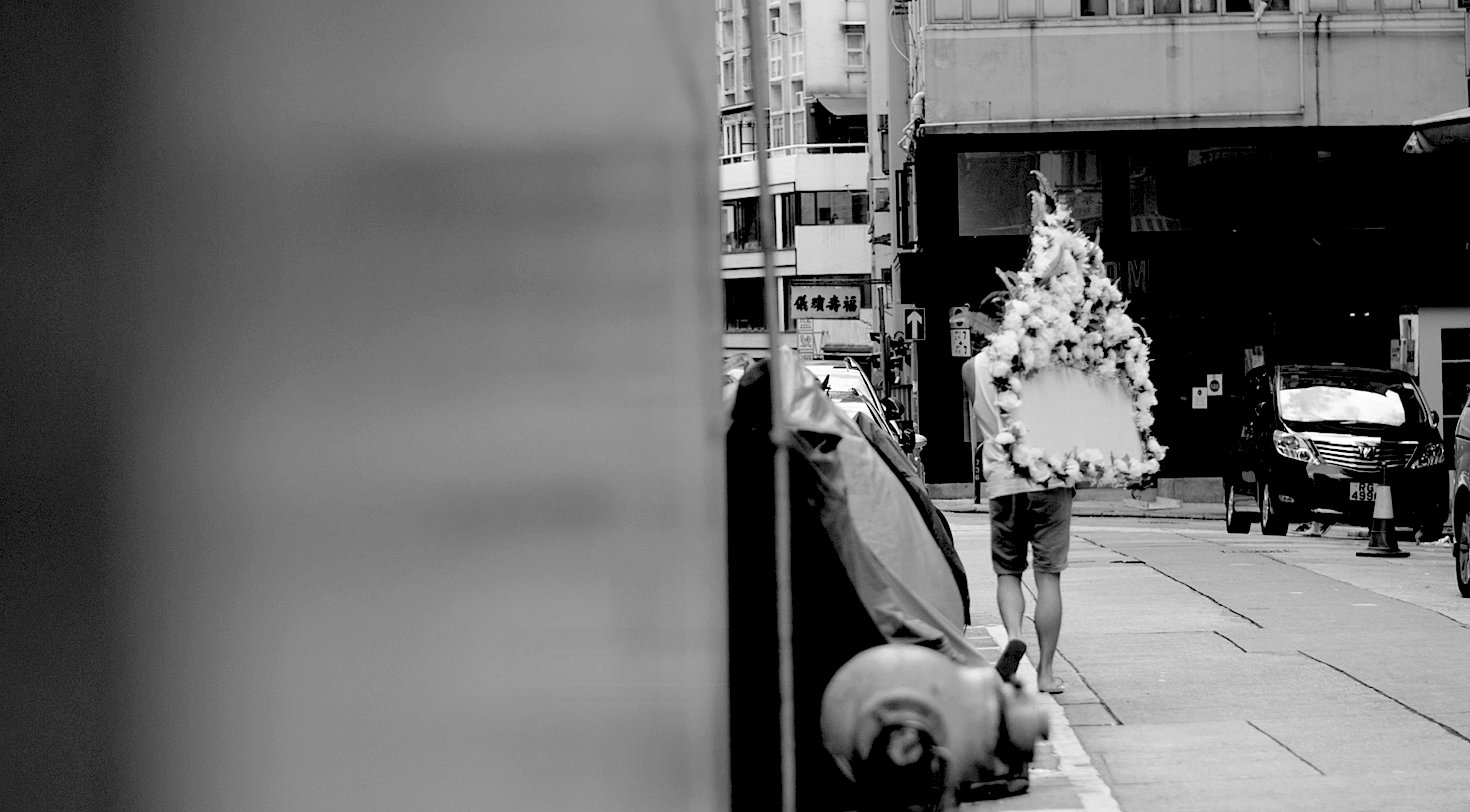
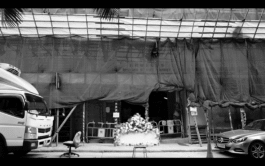
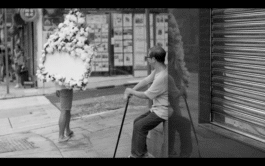
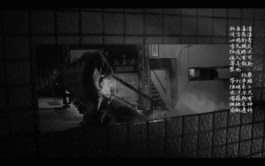
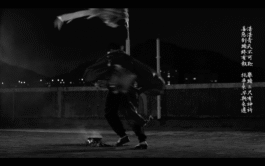
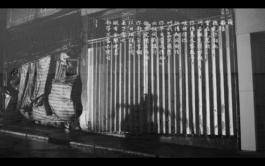
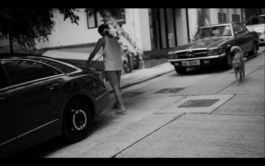
One day in October 2014, as I flipped through the book Hong Kong Reminiscence 1958 by Nagano Shigeichi at the Tsutaya Book Store in Shibuya, I became intrigued by a photograph of a funeral board being carried by a man walking in the vicinity of Soho Hong Kong, a place I am familiar with and often hang out. As I started to research the origin of this image and the area, I became obsessed with wanting to know all about this photograph. I began to make a film.
Documenting the place for two years in much the same way as Hong Kong director Stanley Kwan did in Rouge, his 1987 supernatural drama of a doomed love affair between courtesan and a wealthy playboy, this project took me down a rabbit hole of research: about the history of the plague in the area due to overcrowding, about its formerly prosperous funeral businesses that have begun to wane, to the forces of gentrification that tore down old buildings and communities in order to make new ones. This film has become something like an offering or a prayer to restless spirits and troubled souls.
Senses of Ten - Work 3
1958 Delivery
Film (2017)
The journey of a funeral flowers delivery man searching for an address, travelling across Sheung Wan from Hollywood Road to Tai Ping Shan Street, caught between moments of condolences, the past and the ever changing landscapes. This film is inspired by Nagano Shigeichi’s photographic book, Hong Kong Reminiscence 1958 and re-imagined further hidden stories of trapped souls in old houses destined for demolition.
One day in October 2014, as I flipped through the book Hong Kong Reminiscence 1958 by Nagano Shigeichi at the Tsutaya Book Store in Shibuya, I became intrigued by a photograph of a funeral board being carried by a man walking in the vicinity of Soho Hong Kong, a place I am familiar with and often hang out. As I started to research the origin of this image and the area, I became obsessed with wanting to know all about this photograph. I began to make a film.
Documenting the place for two years in much the same way as Hong Kong director Stanley Kwan did in Rouge, his 1987 supernatural drama of a doomed love affair between courtesan and a wealthy playboy, this project took me down a rabbit hole of research: about the history of the plague in the area due to overcrowding, about its formerly prosperous funeral businesses that have begun to wane, to the forces of gentrification that tore down old buildings and communities in order to make new ones. This film has become something like an offering or a prayer to restless spirits and troubled souls.