Senses of Ten - Work 1
The Chair Stories
Photography (2014)
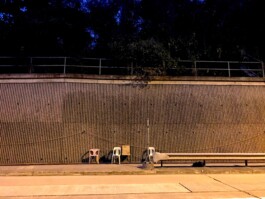
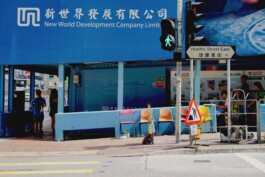
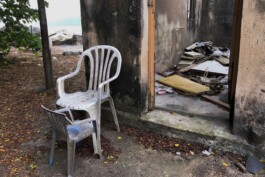
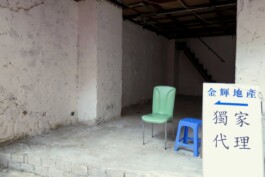
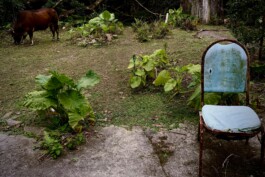
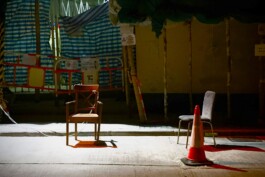
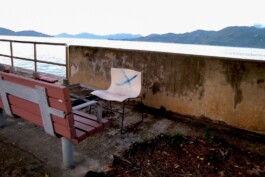
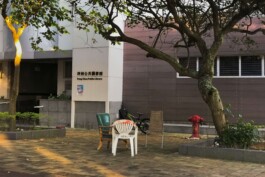
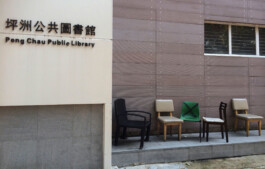
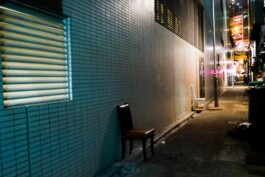


“In this informal choreographic archive of chairs gathered by Elysa Wendi between 2014 to 2024, furniture becomes a metaphor for how bodies and spaces can relate to each other.”
A photographic archive of chairs found in the streets and public spaces of Hong Kong between 2014 and 2024, Arranged Absences examines the relationship between bodies, memories, and spaces through these everyday objects that have become unexpected performers in the urban landscape. Placed outside libraries, at bus stops, on abandoned piers, and along roadsides, though they are void of human presences, each chair nonetheless holds traces of use and marks a threshold between public and private, occupation and abandonment, intention and chance. From chairs positioned closely to enable a conversation, to solitary seats facing the sea and plastic stools stacked in anticipation of a gathering, how chairs are arranged reveal the invisible choreographies of daily life— how people inhabit, claim, and transform Hong Kong's contested public spaces. As a repository of the subtle spatial strategies of persistence and impermanence, Arranged Absences seeks to document the city through its most humble and overlooked elements: the seats that hold our bodies and mark our presence, even in absence.
Senses of Ten - Work 1
The Chair Stories
Photography (2014)
“In this informal choreographic archive of chairs gathered by Elysa Wendi between 2014 to 2024, furniture becomes a metaphor for how bodies and spaces can relate to each other.”
A photographic archive of chairs found in the streets and public spaces of Hong Kong between 2014 and 2024, Arranged Absences examines the relationship between bodies, memories, and spaces through these everyday objects that have become unexpected performers in the urban landscape. Placed outside libraries, at bus stops, on abandoned piers, and along roadsides, though they are void of human presences, each chair nonetheless holds traces of use and marks a threshold between public and private, occupation and abandonment, intention and chance. From chairs positioned closely to enable a conversation, to solitary seats facing the sea and plastic stools stacked in anticipation of a gathering, how chairs are arranged reveal the invisible choreographies of daily life— how people inhabit, claim, and transform Hong Kong's contested public spaces. As a repository of the subtle spatial strategies of persistence and impermanence, Arranged Absences seeks to document the city through its most humble and overlooked elements: the seats that hold our bodies and mark our presence, even in absence.